
 English
 Español
 Pусский
 العربية
Cabo de bandeja à prova de fogo
Fireproof Tray Cable: A Comprehensive Overview Fireproof tray cable is a specialized type of electrical cable designed for use in environments where fire resistance and durability are critical. These cables are commonly installed in cable trays, conduits, or other raceway systems, providing reliable power and signal transmission in commercial, industrial, and infrastructure applications. Their primary advantage lies in their ability to maintain circuit integrity during a fire, ensuring continued operation of emergency systems and minimizing hazards. Construction and Materials Fireproof tray cables are engineered with high-quality materials to withstand extreme conditions. Key components include: - Conductors: Typically made of copper or aluminum, these conductors offer excellent conductivity and flexibility. They may be stranded for enhanced durability and ease of installation. - Insulation: Flame-retardant materials such as cross-linked polyethylene (XLPE) or ethylene propylene rubber (EPR) provide thermal stability and resistance to heat, chemicals, and abrasion. - Jacket: The outer sheath is constructed from fire-resistant compounds like polyvinyl chloride (PVC) or low-smoke zero-halogen (LSZH) materials. LSZH jackets are preferred in confined spaces as they emit minimal smoke and toxic gases when exposed to fire. - Shielding (if applicable): Some variants include metallic or foil shielding to protect against electromagnetic interference (EMI) in sensitive applications. Key Features and Benefits 1. Fire Resistance: These cables are tested to meet stringent fire safety standards (e.g., UL, IEC, or NFPA), ensuring they can endure high temperatures and prevent flame propagation. 2. Durability: Resistant to moisture, oils, and mechanical stress, making them suitable for harsh industrial environments. 3. Flexibility: Designed for easy routing in cable trays, reducing installation time and labor costs. 4. Low Smoke and Toxicity: LSZH versions enhance safety in populated areas by reducing hazardous emissions during combustion. 5. Compliance: Meets industry standards such as UL 1277, NEC Article 725, or IEEE 1202 for tray cable applications. Applications Fireproof tray cables are widely used in: - Power distribution systems in industrial plants - Emergency lighting and fire alarm circuits - Data centers and communication networks - Transportation infrastructure (e.g., tunnels, airports) - Oil and gas facilities where fire hazards are prevalent Conclusion Fireproof tray cables are an essential component in modern electrical systems, offering unmatched safety and reliability in fire-prone environments. Their robust construction, compliance with safety standards, and versatility make them a preferred choice for critical infrastructure projects. By ensuring continuous operation during emergencies, these cables play a vital role in protecting lives and property.
Produto
Categoria:
-
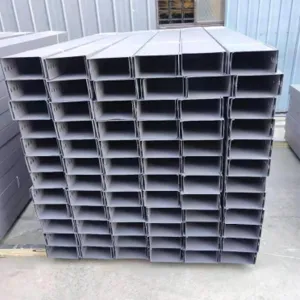
Bandeja de cabos à prova de fogo
Sua classificação: Bandeja de cabos resistente ao fogoVistas: 37Número:Tempo de liberação: 2025-11-23 21:16:39Depois que a bandeja de cabos é processada e formada, seu formato de seção transversal é uniforme, livre de defeitos como dobras, distorções, rachaduras e margens irregulares. Independentemente do tipo de caminho de cabos à prova de fogo, ele deve atender às normas nacionais para caminhos de cabos. -
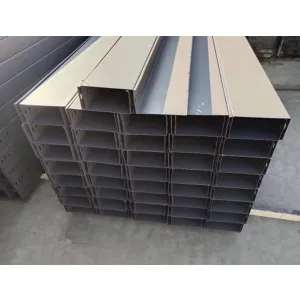
Bandeja de cabos à prova de fogo
Sua classificação: Bandeja de cabos resistente ao fogoVistas: 35Número:Tempo de liberação: 2025-11-23 21:21:24Como equipamento mecânico utilizado em sistemas de fornecimento de energia para proteger cabos, as bandejas de cabos têm sido amplamente aplicadas. Ao projetar e selecionar bandejas de cabos, deve-se levar em consideração a dissipação de calor, ao mesmo tempo que evita a umidade e a exposição dos cabos a altas temperaturas e garante forte resistência ao impacto. No entanto, os projetos convencionais de eletrocalhas não conseguem enfatizar adequadamente esses aspectos críticos de desempenho.
Notícias
Categoria:
Nenhum resultado de pesquisa!
Caso
Categoria:
Nenhum resultado de pesquisa!
Vídeo
Categoria:
Nenhum resultado de pesquisa!
Download
Categoria:
Nenhum resultado de pesquisa!
Recrutamento
Categoria:
Nenhum resultado de pesquisa!
Produtos recomendados
Nenhum resultado de pesquisa!



 Whatsapp
 Telefone
 Correspondência