
 English
 Español
 Pусский
 العربية
Bandeja de cabos tipo passo
Cable Tray Step-Type: Design, Features, and Applications A Step-Type Cable Tray is a specialized cable management system designed to support and organize cables in industrial, commercial, and infrastructure environments. Its unique stepped or tiered structure allows for efficient cable segregation, improved airflow, and enhanced load distribution. Below is a detailed overview of its design, features, and applications. Design and Construction The step-type cable tray features a multi-level, ladder-like design with raised steps or partitions along its length. These steps create separate compartments, enabling the organized routing of multiple cable bundles. Key design elements include: 1. Tiered Structure – The tray consists of horizontal steps at varying heights, providing dedicated channels for different cable types (e.g., power, data, or communication cables). 2. Material Options – Typically made from galvanized steel, stainless steel, or aluminum, offering corrosion resistance and durability in harsh environments. 3. Ventilation – The open design promotes airflow, reducing heat buildup and improving cable performance. 4. Load Capacity – Reinforced side rails and crossbars ensure high strength, supporting heavy cable loads without sagging. Key Features - Cable Segregation – Prevents electromagnetic interference (EMI) by separating power and control cables. - Easy Installation – Modular components allow for quick assembly, expansion, or reconfiguration. - Accessibility – Open design simplifies cable inspection, maintenance, and future upgrades. - Fire Resistance – Some models include fire-retardant coatings or materials for enhanced safety. Applications Step-type cable trays are widely used in: - Industrial Plants – For managing power and control cables in manufacturing facilities. - Data Centers – To organize high-density fiber optic and Ethernet cables. - Commercial Buildings – Supporting electrical and communication systems in offices and malls. - Transportation Hubs – Deployed in airports and metro stations for reliable cable routing. Advantages Over Flat-Type Trays Compared to flat cable trays, the step-type design offers: - Better cable separation and reduced tangling. - Improved heat dissipation due to elevated cable positioning. - Higher load-bearing capacity with structured support. In summary, the step-type cable tray is a versatile, robust solution for complex cable management needs, ensuring safety, efficiency, and long-term reliability.
Produto
Categoria:
-
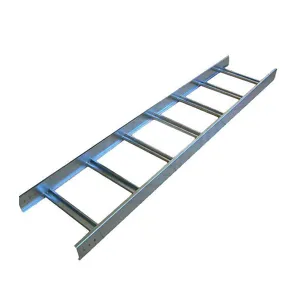
Bandeja de cabos tipo escalonado
Sua classificação: Bandeja de cabos de escadaVistas: 43Número:Tempo de liberação: 2025-11-24 00:24:37Pontos-chave de instalação Ao colocar caminhos de cabos, geralmente é necessário reservar espaço para aberturas nas paredes. Além disso, os fios metálicos colocados nas eletrocalhas devem ser encaminhados de acordo com o projeto arquitetônico.
Notícias
Categoria:
Nenhum resultado de pesquisa!
Caso
Categoria:
Nenhum resultado de pesquisa!
Vídeo
Categoria:
Nenhum resultado de pesquisa!
Download
Categoria:
Nenhum resultado de pesquisa!
Recrutamento
Categoria:
Nenhum resultado de pesquisa!
Produtos recomendados
Nenhum resultado de pesquisa!



 Whatsapp
 Telefone
 Correspondência