
 English
 Español
 Pусский
 العربية
Bandeja de cabos de liga de alumínio
Aluminum Alloy Cable Tray: Features, Applications, and Advantages Aluminum alloy cable trays are widely used in modern electrical and data cable management systems due to their lightweight, corrosion resistance, and durability. These trays provide a structured pathway for organizing and protecting cables in industrial, commercial, and infrastructure projects. Below is a detailed overview of their characteristics, applications, and benefits. 1. Material and Construction Aluminum alloy cable trays are made from high-grade aluminum, often combined with elements like magnesium and silicon to enhance strength and corrosion resistance. The material is naturally lightweight, making installation easier compared to steel alternatives. The trays are available in various forms, including ladder-type, perforated, solid-bottom, and wire mesh designs, catering to different load capacities and environmental conditions. 2. Key Features - Lightweight: Aluminum trays are significantly lighter than steel, reducing structural load and installation effort. - Corrosion Resistance: Aluminum forms a protective oxide layer, making it ideal for humid, coastal, or chemically aggressive environments. - High Strength-to-Weight Ratio: Despite being lightweight, aluminum alloys provide excellent mechanical strength. - Non-Magnetic & Non-Sparking: Suitable for sensitive environments like data centers or hazardous areas. - Easy Fabrication: Can be cut, bent, and assembled on-site with minimal tools. 3. Applications Aluminum alloy cable trays are used across multiple industries: - Industrial Plants: For power distribution and control cabling in factories and refineries. - Data Centers: Supports high-density fiber optic and Ethernet cable routing. - Commercial Buildings: Manages electrical wiring in offices, hospitals, and airports. - Renewable Energy Projects: Used in solar farms and wind turbines due to weather resistance. - Transportation Infrastructure: Installed in tunnels, bridges, and metro systems for reliable cable support. 4. Advantages Over Steel Trays - Lower Maintenance: Resists rust, eliminating the need for galvanization or painting. - Cost-Effective: Longer lifespan and reduced installation labor offset initial material costs. - Thermal Conductivity: Dissipates heat efficiently, beneficial for high-current cables. - Sustainability: Fully recyclable, aligning with green building standards. 5. Installation Considerations Proper installation ensures optimal performance: - Support Spacing: Must comply with load requirements to prevent sagging. - Grounding: Aluminum trays should be properly grounded to prevent electrical faults. - Environmental Factors: Additional coatings may be needed for extreme chemical exposure. Conclusion Aluminum alloy cable trays offer a superior solution for cable management, combining durability, ease of installation, and environmental resilience. Their versatility makes them a preferred choice for engineers and contractors in diverse sectors. By selecting the appropriate design and configuration, users can achieve a reliable, long-lasting cable support system. (Word count: 500)
Produto
Categoria:
-
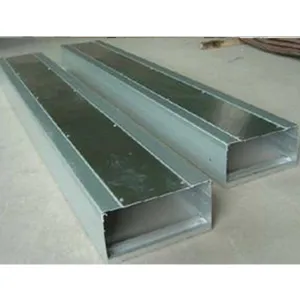
Bandeja de cabos de liga de alumínio
Sua classificação: Bandeja de cabos de liga de alumínioVistas: 33Número:Tempo de liberação: 2025-11-23 22:51:45Manutenção Diária Manutenção Regular: Geralmente, a manutenção pode ser realizada uma vez por trimestre. Depois de limpar a poeira e marcas da superfície com um pano macio, aplique uniformemente uma cera de polimento especial na superfície. Depois de um tempo, lustre até ficar brilhante com um pano limpo e macio para evitar danos por umidade. Para acessórios de hardware e cabos de metal, limpe-os com uma pequena quantidade de óleo de máquina e deixe-os secar para garantir um funcionamento suave, resistência à ferrugem e resistência à oxidação. -
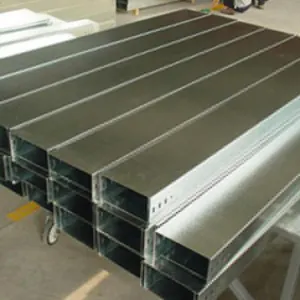
Bandeja de cabos de liga de alumínio
Sua classificação: Bandeja de cabos de liga de alumínioVistas: 27Número:Tempo de liberação: 2025-11-23 22:54:06Introdução às bandejas de cabos de liga de alumínio As bandejas de cabos em liga de alumínio são componentes de aço para serviços pesados. Para se adaptar a vários ambientes naturais e garantir uma longa vida útil, um extenso trabalho pode ser feito no tratamento superficial de caminhos de cabos em liga de alumínio. Os suportes da bandeja de cabos incluem postes verticais, braços de suporte ou suportes contínuos, juntamente com espaçamento da estrutura, métodos de instalação, especificações e elevações de projeto. Em relação aos pontos de saída dos cabos e métodos de roteamento, as bandejas de cabos em liga de alumínio devem ser instaladas 2 metros acima do solo; a distância do topo da bandeja às coberturas ou outros obstáculos não deve ser inferior a 0,3 metros, a largura total da bandeja não deve ser inferior a 0,1 metros e a taxa de enchimento da área transversal dentro da bandeja não deve exceder 50%.
Notícias
Categoria:
Nenhum resultado de pesquisa!
Caso
Categoria:
Nenhum resultado de pesquisa!
Vídeo
Categoria:
Nenhum resultado de pesquisa!
Download
Categoria:
Nenhum resultado de pesquisa!
Recrutamento
Categoria:
Nenhum resultado de pesquisa!
Produtos recomendados
Nenhum resultado de pesquisa!



 Whatsapp
 Telefone
 Correspondência